



How Does Our Diet Influence Our Emotions?
Have you ever wondered if what we eat is related to how we feel? Or whether our emotions can influence our food choices?
From a holistic perspective, it makes sense to consider the interaction between our diet and our emotional state. After all, our physical, energetic, mental, and emotional bodies are intrinsically interconnected.
From a more scientific point of view, it has been shown that the foods we consume can have different effects on our digestion and nervous system. Consumption of refined sugars can cause a rapid rise in blood glucose, followed by a sharp drop (hypoglycemia), which may lead to the need to consume more sugar to compensate (NCBI, 2016; Healthline, 2023). Additionally, sugar intake can trigger the release of dopamine, a neurotransmitter associated with sensations of reward (NCBI, 2017; Healthline: Is Sugar Addictive?).
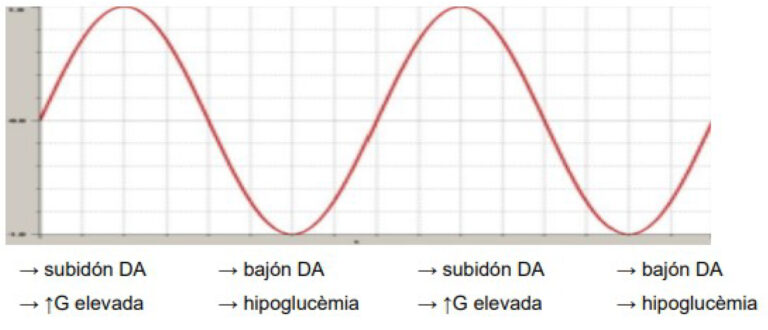
If this pattern is repeated regularly and excessively, it can lead to addiction and negatively affect our emotions, contributing to anxiety, depression, and low self-esteem, as well as physical problems such as cardiovascular disease and diabetes (NCBI: Dietary Sugars and Health—A Review of Evidence, 2017).
So what comes first? Do our emotions influence our eating habits or vice versa? In reality, both things can influence each other and create a cycle that is difficult to break (NCBI, 2015).
On the one hand, we may turn to sugary foods as a way to calm our emotions or fill an emotional void (Healthline: Emotional Eating). On the other hand, excessive sugar consumption can affect our emotions and mental health (NCBI, 2017).
Nowadays, we live in a society in which sugar is omnipresent in our diet and is in foods that we do not imagine (SinAzúcar.org). It is easy to fall into the trap of consuming it in excess without being aware of its negative effects.
Therefore, anyone who is in a process of personal growth or who simply wants to improve their emotional well-being can benefit from exploring the relationship between their diet and their emotions.
Through Gestalt therapeutic accompaniment, we can become aware of our eating habits, explore what emotions may be influencing them, and learn to develop a healthier relationship with food.
📚 Sources and Further Reading